

Last Updated: October 22, 2026
Quick Summary
The five best eco-friendly fabrics for daily wear are organic cotton, hemp, linen, bamboo viscose, and recycled polyester. Each offers different benefits: organic cotton provides year-round comfort and durability, hemp and linen excel in warm climates with minimal water use, bamboo viscose delivers softness, and recycled polyester performs well for active wear.
- Organic cotton requires significantly less pesticide than conventional cotton and lasts for years with proper care.
- Hemp and linen need far less water and pesticide than cotton and are fully biodegradable.
- Bamboo viscose depends on mill practices; look for TENCEL Lyocell with closed-loop systems for lower impact.
- Recycled polyester diverts plastic waste from landfills but sheds microplastics during washing.
- A durable shirt worn for five years beats a cheap one replaced annually, making lifespan the real measure of sustainability.
Table of Contents
- What Makes a Fabric Eco-Friendly and Suitable for Daily Wear
- Organic Cotton Clothing: Benefits and Environmental Trade-Offs
- Hemp and Linen: Durable Plant Fibers for Everyday Comfort
- Bamboo Fabric Sustainability: What You Need to Know
- Recycled Polyester Clothing and Regenerated Cellulose Fibers
- Best Fabric for Everyday Wear: Performance, Care, and Lifespan
- Recycled Fibers, Including Recycled Cotton and Polyester
- How to Verify Sustainable Fabric Claims and Certifications
- Frequently Asked Questions
What Makes a Fabric Eco-Friendly and Suitable for Daily Wear
Eco-friendly fabrics are materials made with lower environmental impact across production, use, and disposal. They use less water, fewer chemicals, and generate fewer emissions than conventional textiles. But not every sustainable fabric works equally well for everyday clothing.
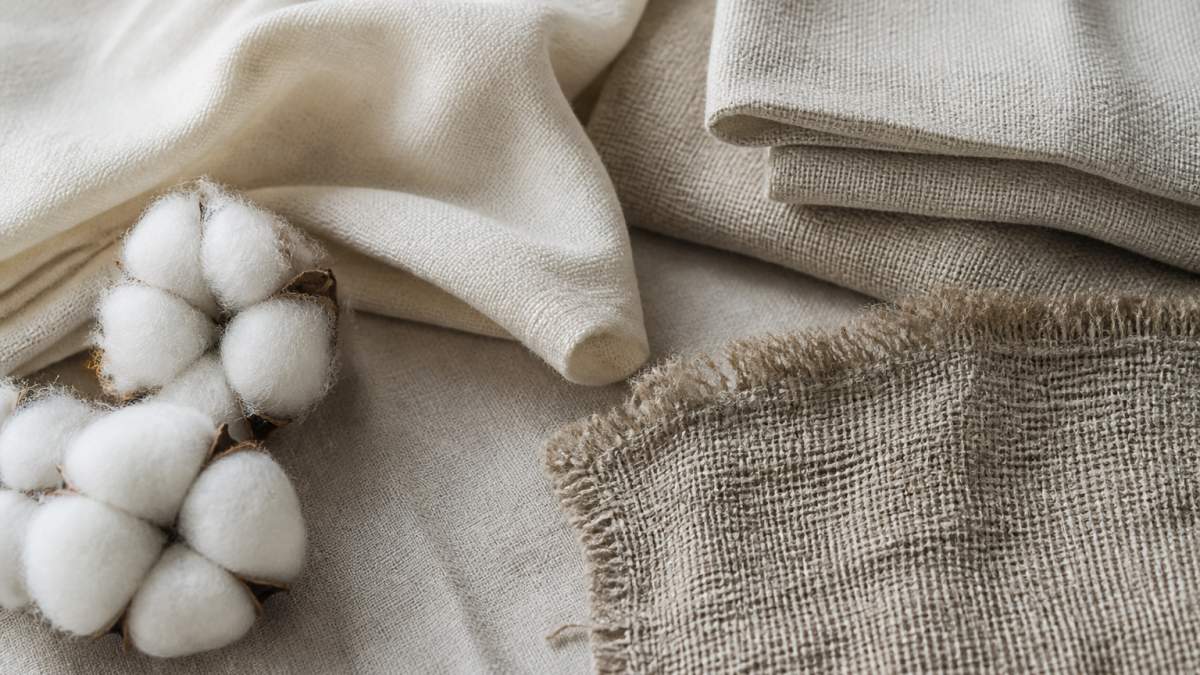
The best daily-wear fabrics balance three things: environmental responsibility, durability, and comfort. A shirt that falls apart after ten washes isn't sustainable, it just creates waste faster. At Snarky Tails, we focus on materials that survive the chaos of pet-parent life while treating the planet better.
Look for fabrics that check these boxes:
- Lower pesticide and water use during farming or production
- Durability that means fewer replacements over time
- Breathability for all-day comfort during work, playtime, or cuddles
- Easy care without special washing requirements
- Certification from recognized standards (more on that later)
The fabric you choose shapes how long your clothes last. A durable eco-friendly fabric worn for five years beats a cheap synthetic worn for one season, even if the cheap option uses less water upfront. Lifespan matters as much as production impact.
Organic Cotton Clothing: Benefits and Environmental Trade-Offs
Organic cotton clothing uses cotton grown without synthetic pesticides or fertilizers. It's the most recognizable sustainable option, and for good reason, it works.
Organic cotton requires significantly less pesticide than conventional cotton. It also builds healthier soil and supports farmer health. The fiber itself is identical to regular cotton: soft, breathable, and durable. Many people can't tell the difference in feel.
The catch? Organic cotton still uses water. A lot of it. Growing cotton, organic or not, demands consistent moisture. In dry regions, this creates real water stress. Organic farming practices help, but they don't eliminate the problem entirely.
For daily wear, organic cotton excels:
- Softness: Gets softer with every wash
- Breathability: Perfect for warm climates and active wear
- Durability: Lasts for years with proper care
- Care: Standard washing, no special treatment needed
The Are You Still Here Cat T-Shirt from Snarky Tails uses 100% ring-spun organic cotton on the Gildan 64000 blank. At 4.5 oz, it's lightweight and broken-in feeling straight from the package.

Organic cotton costs more than conventional because farming without synthetic inputs requires more labor and planning. That price difference reflects real environmental and social benefits, not marketing.
Hemp and Linen: Durable Plant Fibers for Everyday Comfort
Hemp and linen are plant fibers that require far less water and pesticide than cotton. Both grow in diverse climates without demanding intensive inputs.
Hemp grows fast, regenerates quickly, and needs minimal chemical intervention. The fiber is stronger than cotton, meaning clothes last longer. Hemp clothing softens beautifully with wear. The downside: hemp fabric often feels stiff until it's been washed multiple times.
Linen comes from flax plants. It's breathable, naturally moisture-wicking, and incredibly durable. Linen clothing can last decades. The fiber develops character over time, wrinkles become part of the charm.
Both fabrics have real environmental advantages:
- Low water use: Hemp needs rain; linen requires minimal irrigation
- Minimal pesticides: Both grow without heavy chemical inputs
- Biodegradable: They break down naturally at end of life
- Durable: Longer lifespan means fewer replacements
The trade-off with hemp and linen is feel. They're not as immediately soft as cotton. Hemp needs breaking in. Linen wrinkles easily (though many see this as character, not flaw). If you want instant softness, these aren't your first choice.
For daily wear in warm weather, both excel. Hemp works for active people who don't mind the initial stiffness. Linen suits anyone who values breathability and doesn't mind wrinkles.
Bamboo Fabric Sustainability: What You Need to Know
Bamboo grows fast and regenerates without replanting. It requires no pesticides and minimal fertilizer. The plant itself is genuinely sustainable. But here's where it gets complicated: turning bamboo into wearable fabric involves harsh chemicals.
Most bamboo fabric is bamboo viscose, made through a chemical-intensive process. The bamboo is dissolved in sodium hydroxide and carbon disulfide, then reconstituted into fiber.
The environmental impact depends entirely on the mill. A responsible closed-loop facility produces bamboo viscose with minimal environmental harm. A facility without proper chemical recovery creates serious pollution.
Lyocell is a newer bamboo-derived fiber using a closed-loop solvent system. It's genuinely lower-impact than traditional viscose. Look for TENCEL Lyocell specifically, it's the certified version.
Bamboo fabric benefits for daily wear:
- Softness: Incredibly silky and smooth
- Breathability: Excellent moisture-wicking
- Drape: Falls beautifully on the body
- Durability: Moderate, not as tough as linen or hemp
The drawback: bamboo viscose can lose shape over time. Repeated washing sometimes causes stretching. It's less forgiving than cotton or linen.
For daily wear, bamboo works well if you're willing to accept some shape-shifting. It's ideal for people who prioritize comfort and softness over ultimate durability.
Recycled Polyester Clothing and Regenerated Cellulose Fibers
Recycled polyester takes existing plastic, often from bottles, and transforms it into wearable fiber. It diverts waste from landfills and reduces demand for new petroleum extraction. That's real environmental value.
The catch: recycled polyester is still plastic. It doesn't biodegrade. But if the alternative is virgin polyester made from new oil, recycled is clearly better. Recycled polyester also works well in blends, combining with natural fibers to improve durability and performance.
Regenerated cellulose fibers like modal and lyocell come from wood pulp. They're biodegradable and derived from renewable sources. The production process matters enormously, closed-loop systems are vastly better than open-loop ones.
These materials work well for daily wear because:
Are You Still Here Cat T-Shirt →
- Performance: Blends with natural fibers create durable, comfortable clothes
- Care: Standard washing without special requirements
- Moisture management: Synthetic blends wick sweat effectively
- Durability: Lasts through active wear and frequent washing
The environmental trade-off: synthetic fibers shed microplastics during washing. Recycled polyester reduces new plastic production but doesn't eliminate microfiber shedding. For active people or pet owners who wash frequently, this matters.
Regenerated cellulose is better for microfiber shedding since it's biodegradable, but the production process must be closed-loop to justify the environmental claim.
Best Fabric for Everyday Wear: Performance, Care, and Lifespan
The "best" fabric depends on your climate, activity level, and how often you wash.
For warm climates and active wear: Linen or hemp blends excel. They breathe, wick moisture, and handle frequent washing. Expect wrinkles and some stiffness, that's the trade-off for durability and low environmental impact.
For year-round comfort and softness: Organic cotton is the reliable choice. It works in most climates, softens with age, and lasts for years. The water use is real, but longevity offsets that impact.
For maximum softness and drape: Bamboo viscose (ideally TENCEL Lyocell) delivers. Accept that it may stretch slightly over time and treat it gently. It's worth it if softness is your priority.
For active people and frequent washers: Recycled polyester blends or regenerated cellulose blends perform best. They handle the punishment without degrading quickly. The microfiber shedding is a consideration, but durability means fewer replacements.
Care habits matter as much as fabric choice. Washing in cold water, line drying, and avoiding excessive heat extends lifespan dramatically.
| Fabric Type | Best For | Durability | Care Level | Environmental Impact |
|---|---|---|---|---|
| Organic cotton | Year-round, all climates | High | Low | Moderate (water use) |
| Hemp | Warm weather, active wear | Very high | Low | Low |
| Linen | Warm climates, breathability | Very high | Low | Low |
| Bamboo viscose | Softness, drape | Moderate | Moderate | Variable (depends on mill) |
| Recycled polyester | Active wear, durability | High | Low | Moderate (microfiber shedding) |
Recycled Fibers, Including Recycled Cotton and Polyester
Recycled cotton takes worn-out clothing and textiles, breaks them down to fiber, and spins them into new fabric. It's genuinely circular, old becomes new without starting from scratch.
The environmental win is real: recycled cotton skips the water-intensive farming stage entirely. It diverts textile waste from landfills. The downside is that recycled fibers are shorter than virgin fibers, making fabric less durable. Recycled cotton blends work better than 100% recycled.
Recycled polyester does the same thing with plastic. Bottles become shirts. It's a genuine sustainability solution for plastic waste, though it doesn't solve the microfiber shedding problem.
For daily wear, recycled fibers work best in blends:
- Recycled cotton + organic cotton: Balances sustainability with durability
- Recycled polyester + natural fiber: Adds performance to organic materials
- Recycled polyester + recycled cotton: Maximum waste diversion, moderate durability
The lifespan of recycled-fiber blends depends on the ratio. More recycled content means shorter lifespan. More virgin content means higher environmental impact. Finding the balance is the real art.
Snarky Tails uses plant-based and recycled fabrics specifically because durability matters. A shirt that lasts five years beats one that falls apart in two, regardless of the starting material.
How to Verify Sustainable Fabric Claims and Certifications
Marketing loves the word "sustainable." Not all claims are equal.
GOTS (Global Organic Textile Standard) certifies organic cotton from farm to finished product.
FSC (Forest Stewardship Council) certifies wood-based fibers like bamboo and linen. It ensures responsible forestry and traceability.
OEKO-TEX tests finished fabrics for harmful substances. It's not a sustainability standard, it's a safety standard.
B Corp Certification audits entire company practices, not just fabric. It covers labor, environmental impact, and supply chain.
BLUESIGN certifies chemical management in textile production. It ensures mills use safer processes and recover chemicals properly.
When shopping for eco-friendly fabrics, ask these questions:
- Is there a third-party certification label visible?
- Does the brand explain where the fabric comes from?
- Can you find information about the mill or processing facility?
- Does the brand discuss care and lifespan, not just material?
- Are they transparent about trade-offs?
Greenwashing is real. A brand that uses one sustainable fabric but doesn't discuss labor, dyes, or shipping is incomplete.
At Snarky Tails, transparency is built in. We use 100% ring-spun cotton made in the USA.
Choosing eco-friendly fabrics for daily wear isn't about finding one perfect option.
The real measure of sustainability is lifespan. A durable shirt worn for five years beats a cheap one replaced annually.
Frequently Asked Questions
What are the most environmentally friendly fabrics to wear?
The most eco-friendly fabrics include organic cotton, hemp, linen, TENCEL Lyocell, and recycled polyester. Organic cotton uses no synthetic pesticides, hemp requires minimal water and no pesticides, linen grows with low chemical inputs, and Lyocell uses closed-loop production. Recycled polyester diverts waste from landfills. Each has different environmental strengths, so the 'most' eco-friendly depends on which impact matters most to you, water use, chemical exposure, or waste reduction.
Is organic cotton more sustainable than conventional cotton?
Yes, organic cotton is significantly more sustainable. Conventional cotton uses about 16% of global pesticides despite occupying only 2.5% of agricultural land, while organic cotton eliminates synthetic pesticides entirely. Organic farming also builds soil health and uses less water over time. However, organic cotton still requires water and land, so it's not impact-free. For daily wear, organic cotton offers real environmental benefits without the durability trade-offs of some alternatives.
How can I tell whether a fabric is genuinely sustainable?
Look for third-party certifications like GOTS (Global Organic Textile Standard) for organic fibers, FSC (Forest Stewardship Council) for cellulose fibers, or GRS (Global Recycled Standard) for recycled content. Check brand transparency about sourcing and manufacturing. Avoid vague claims like 'eco-friendly' without specifics. Ask whether production is closed-loop, what certifications apply, and how the brand measures environmental impact. Brands like Snarky Tails that use plant-based or recycled fabrics provide verifiable sourcing.
Which sustainable fabrics are easiest to care for?
Linen and hemp are durable and improve with washing, requiring simple cold-water care. Organic cotton is forgiving and can handle regular machine washing. Recycled polyester blends offer stain resistance and durability. Bamboo viscose and Lyocell require gentler handling, cold water and low heat drying preserve softness. To extend garment lifespan, wash in cold water, air dry when possible, and repair small damage promptly. Durability matters more than fabric type: a well-made organic cotton shirt outlasts a poorly constructed synthetic one.
