

Table of Contents
- Why Comfortable Pet Apparel Matters
- How to Measure a Dog for Clothes: Step-by-Step
- Dog Clothes Sizing Guide: Finding the Right Fit
- Best Materials for Pet Clothing: Comfort and Durability
- Safe Pet Clothing: What to Avoid and Watch For
- Common Mistakes to Avoid When Choosing Pet Apparel
- Putting It All Together: Your Pet Apparel Checklist
- Frequently Asked Questions
Last Updated: October 17, 2026
Why Comfortable Pet Apparel Matters
Your dog's comfort comes first. Ill-fitting pet apparel causes stress, restricts movement, and can lead to skin irritation.
Fit makes all the difference: too tight restricts breathing and movement, too loose slips and chafes.
Many owners grab whatever's available and end up with clothes their dogs hate. Choosing comfortable pet apparel is straightforward once you know what to look for.
How to Measure a Dog for Clothes: Step-by-Step
Accurate measurements are the foundation of comfortable pet apparel.
Taking Accurate Measurements
Use a soft measuring tape, never a rigid ruler, it moves with your dog's body and gives accurate numbers.
Follow these steps:
-
Measure the neck. Place the tape gently around your dog's neck where a collar sits. You should fit one finger between the tape and the neck. This prevents choking.
-
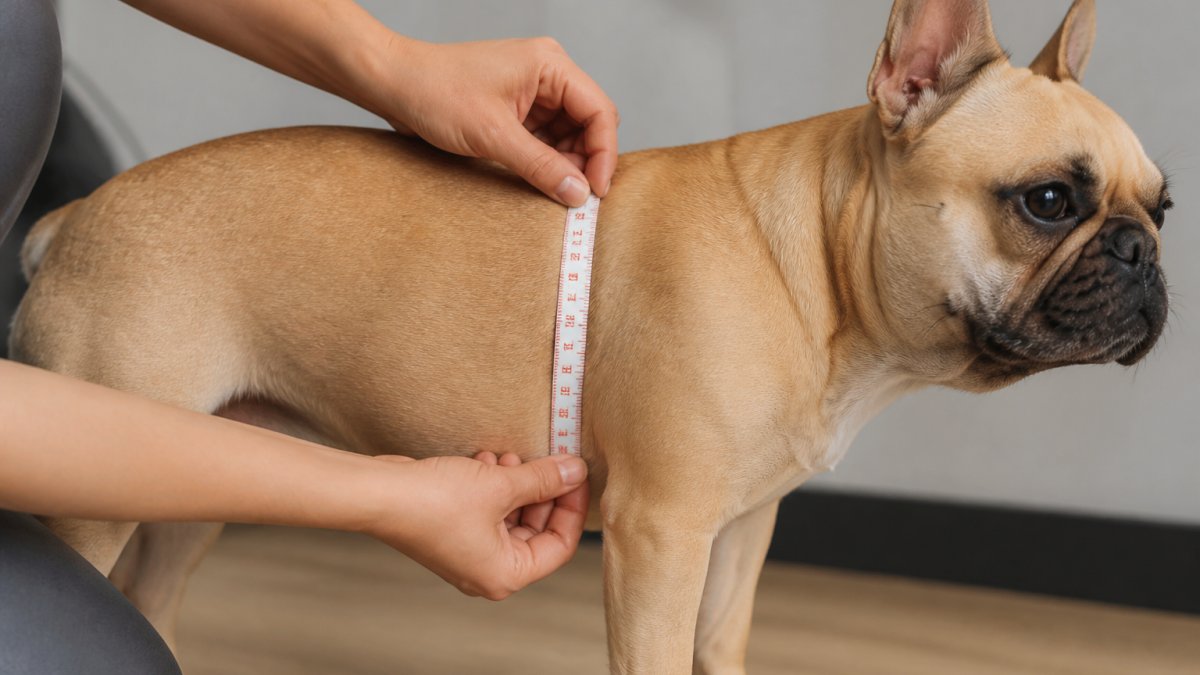
Measure the chest. Wrap the tape around the widest part of your dog's chest, just behind the front legs. Keep it snug but not tight.
-
Measure the back length. Start at the base of your dog's neck. Run the tape down the spine to the base of the tail. This tells you how long the garment should be.
-
Measure the belly. Some dogs have larger bellies than chests. Wrap the tape around the fullest part of the belly for a complete picture.
Write down all measurements in inches. Don't estimate or round down. A quarter-inch difference can mean the garment doesn't fit.
Recording and Using Your Measurements
Create a simple size chart with the date and measurements, and remeasure every six months since dogs grow and gain weight.
Use it every time you shop for comfortable pet apparel, comparing your numbers to the brand's size chart before buying.
Brands size differently, one's medium is another's large. Always check the specific size chart.
Dog Clothes Sizing Guide: Finding the Right Fit
Size charts are your roadmap to comfortable pet apparel that fits, but only if you read them against your own numbers. Most fit problems happen in the gap between the two.
Understanding Size Charts
Most brands list measurements per size. Look for a size where your dog falls in the middle of the range, not at the edges.
If your dog's chest is 16 inches, find a size where 16 falls comfortably within the range, you need breathing room.
Check the length too: too short rides up, too long bunches around the legs and causes tripping.
Reading a Size Chart Against Your Measurements
A size chart is only useful if you compare the right numbers. Here's the practical walkthrough most guides skip.
- Line up each measurement separately. Do not average your numbers into a single "size." Compare neck to neck, chest to chest, and back length to back length. A dog can be a medium in the chest and a small in the back.
- Identify the binding measurement. Whichever of your numbers sits closest to the edge of a size range is the one that decides the fit. Size to the binding measurement, not the average.
- Check the chart's unit. Some charts list inches, some list centimeters, and some list both with rounding. Confirm the unit before you compare. A 16 that is really 16 centimeters is a very different garment.
- Note whether the chart is garment measurement or body measurement. Some brands list the flat measurement of the garment; others list the body measurement it is designed to fit. If the chart does not say which it is, assume body measurement and add roughly half an inch of ease at the chest.
- Look at the closure allowance. Velcro and snap closures need overlap to stay closed. If your dog is at the top of a range and the garment closes with Velcro, the overlap may be too short to hold. Step up a size or choose a style with more adjustable closure.
What to Do Between Sizes
Most dogs land between sizes, where returns happen. Use these rules:
- Size up when the chest is the binding measurement. Chest girth is the hardest dimension to alter and the one most likely to restrict breathing and movement. A slightly long back can be lived with; a tight chest cannot.
- Size down when the back length is binding and the chest has room. A garment that is too long will bunch at the hips and catch the back legs. A slightly snug chest with a correct back length is usually the more comfortable compromise for a short-backed dog.
- Prefer adjustable styles between sizes. A style with an adjustable chest strap or a wrap closure can bridge a half-size gap that a pullover cannot.
Testing Fit and Comfort
Once the garment arrives, put it on your dog and watch for these signs of a good fit:
- Your dog moves naturally without restriction
- You can fit one finger under the neckline and armholes
- The garment sits smoothly without bunching or gaps
Signs of poor fit include:
- Your dog limps or moves stiffly
- The garment pulls or creates visible wrinkles
- Your dog constantly tries to shake it off
Best Materials for Pet Clothing: Comfort and Durability
Fabric choice matters as much as fit. The wrong material causes itching, overheating, and premature wear. Comfortable pet apparel starts with the right fabric.
Fabric Softness and Breathability
Soft fabrics reduce irritation so your dog can relax while wearing the garment.
Look for these materials:
- Organic cotton. Breathes well and feels soft. Gentle on sensitive skin.
- Bamboo blend. Naturally hypoallergenic and moisture-wicking. Great for dogs that overheat.
- Lightweight mesh. Allows air circulation. Perfect for warm weather.
Avoid non-breathing synthetics, they trap heat and moisture, causing overheating and skin problems.
Snarky Tails uses eco-friendly, plant-based, and recycled fabrics chosen for comfort, ridiculously soft yet durable through playtime and cuddles.
Fabric Weight for Different Seasons
Match fabric weight to your climate and season.
- Lightweight fabric (under 5 oz). Ideal for spring and fall. Provides minimal warmth while allowing airflow.
- Medium weight (5-7 oz). Works for mild winters and cooler evenings. Offers warmth without overheating.
- Heavier fabric (over 7 oz). Reserved for cold climates and winter wear. Provides serious insulation.
Don't overdress your dog, heavy coats cause overheating and discomfort. Choose fabric weight based on breed, size, and local climate.
Short-haired breeds need more protection, long-haired breeds less, and smaller dogs feel cold faster than larger ones. Consider these factors when selecting comfortable pet apparel.
Safe Pet Clothing: What to Avoid and Watch For
Comfortable pet apparel keeps your dog safe; unsafe clothing causes injuries, stress, and health problems. Since dogs can't tell you what's wrong, run observable checks and know what to look for by pet type.
Signs Your Pet Is Uncomfortable
Watch for these warning signs:
- Excessive scratching or licking the garment
- Refusal to move or play
- Panting or rapid breathing
Any of these signals mean the garment doesn't work, remove it immediately and return it for a different size or style.
Fit Checks You Can Run in Two Minutes
Before deciding a garment is comfortable, run these checks, they turn a vague "seems fine" into something you can observe.
- The two-finger neck check. Slide two fingers flat under the neckline. If you cannot, the neck is too tight and may press on the throat. If four fingers slide in easily, the neck is loose enough to slip over the head.
- The armhole check. Run a finger around each armhole. The edge should sit flat against the body without digging into the armpit. A raised or rolled armhole edge is a common source of rubbing.
- The gait test. Walk your dog on a leash for 20 to 30 steps, then ask for a trot. Watch the front and back legs. A comfortable garment lets the legs swing through their full range. Look for shortened strides, a hitch in the back legs, or a stiff front reach.
- The sit-and-stand test. Ask your dog to sit, then stand, then lie down. The garment should not ride up the back, bunch at the hips, or pull across the shoulders during any of these transitions.
- The breathing check. After a minute of activity, watch the ribcage. You should see normal, unlabored breathing. A garment that compresses the chest will show as shallow, rapid breathing or as the dog holding its chest still.
- The skin check. Remove the garment after 15 to 20 minutes and look at the neck, armpits, chest, and belly. Redness, flattened fur, or damp patches mean the fabric or fit is causing friction or trapping heat.
If any check fails, remove the garment and try a different size, style, or fabric. Do not wait for the dog to "get used to it." Discomfort usually gets worse with time, not better.
Comfort and Safety by Pet Type
Most apparel guides are written for dogs, but the same principles apply differently across pets.
- Cats. Cats are more sensitive to restraint around the neck and shoulders than most dogs. Choose styles with a low, wide neckline and avoid anything that pulls across the shoulder blades. Cats also overheat faster in enclosed garments, so keep wear times short and watch for flattened ears, a twitching tail, or a sudden freeze.
- Puppies. Puppies grow quickly, so a garment that fits this month may bind next month. Remeasure every four to six weeks during the growth period, and favor adjustable closures over pullovers. Puppies also chew, so avoid loose threads, dangling decorations, and small parts that can be swallowed.
- Senior pets. Older dogs and cats often have reduced mobility and thinner coats. Look for low-cut leg openings that do not catch on stiff joints, and choose lighter fabrics that are easier to put on and take off. A senior pet that struggles to stand in a garment should not wear it.
Garment Construction and Closures
Check how the garment is made. Poor construction causes discomfort and safety issues.
Look for:
- Flat seams. Prevent rubbing and irritation. Raised seams dig into skin.
- Reinforced stitching. Holds up through washing and play. Weak stitching fails quickly.
- Smooth closures. Velcro or snap closures should be soft and smooth. Avoid sharp or rough closures.
Avoid garments with:
- Buttons or small parts your dog could swallow
- Sharp zippers without guards
- Decorations that aren't securely attached
Check the neckline and armholes carefully. These areas contact sensitive skin. Any rough edges cause irritation.
Common Mistakes to Avoid When Choosing Pet Apparel
Most pet owners make the same mistakes.
Mistake 2: Ignoring fabric quality. Cheap materials feel scratchy and wear out fast.
Mistake 4: Not checking size charts. Every brand sizes differently.
Mistake 6: Ignoring fit feedback. Your dog tells you when something's wrong through behavior.
Mistake 7: Buying the wrong closures. Some dogs slip out of loose closures.
Mistake 8: Choosing restrictive styles. Tight-fitting garments limit movement.
Putting It All Together: Your Pet Apparel Checklist
Use this checklist before buying comfortable pet apparel:
| Step | Action | Why It Matters |
|---|---|---|
| Measure | Take accurate measurements of neck, chest, back length, and belly | Ensures proper fit and comfort |
| Compare | Check your measurements against the brand's size chart | Prevents ordering the wrong size |
| Research | Read reviews about fit and fabric quality | Learn from other customers' experiences |
| Check fabric | Verify the material is breathable and soft | Prevents skin irritation and overheating |
| Examine construction | Look for flat seams and secure closures | Ensures durability and safety |
| Try it on | Put the garment on your dog and observe behavior | Confirms comfort before keeping it |
| Watch for issues | Monitor for scratching, limping, or stress | Catches problems early |
| Plan returns | Know the return policy before buying | Protects you if the fit isn't right |
Choosing comfortable pet apparel doesn't have to be complicated. Start with accurate measurements. Choose soft, breathable fabrics. Pay attention to your dog's behavior. When something feels off, trust your instincts and make a change.
At Snarky Tails, we're committed to helping pet parents find clothing their dogs actually love wearing. Because your dog's comfort matters to us as much as it matters to you. Learn more about pet comfort standards from the American Veterinary Medical Association and explore how quality pet apparel supports your dog's wellbeing.
Frequently Asked Questions
How do I know if pet clothes fit properly?
Properly fitting pet apparel should allow one to two fingers of space between the fabric and your pet's skin. The garment should not bunch, twist, or restrict movement. Watch for signs of discomfort like excessive rubbing, reluctance to move, or attempts to remove the clothing. The fit should feel snug without being restrictive, and seams should not dig into the skin or create pressure points.
What are the best materials for pet clothing?
The best materials for pet clothing include organic cotton, bamboo blends, and moisture-wicking mesh for breathability and comfort. Fleece and wool work well for cold-weather protection, though wool may irritate sensitive skin. Look for soft, durable fabrics that allow freedom of movement and don't trap heat or moisture. Avoid materials with rough seams or synthetic blends that can cause skin irritation or restrict your pet's range of motion.
How do I measure my dog for clothes accurately?
Measure your dog's neck circumference, chest girth, and back length using a soft measuring tape. For neck, measure where a collar would sit. For chest, measure around the widest part of the rib cage. For back length, measure from the base of the neck to the tail. Keep the tape snug but not tight. Record measurements in inches and compare against the dog clothes sizing guide provided by the apparel maker before ordering.
How can I tell if my dog is uncomfortable in clothes?
Signs of discomfort include excessive scratching, rubbing against furniture, reluctance to walk or move normally, panting when not hot, or attempts to bite or remove the garment. Your pet may also freeze in place, cower, or show signs of stress. Discomfort can stem from restrictive fit, irritating seams, fabric sensitivity, or overheating. Remove the clothing immediately if you notice these behaviors and reassess the fit, fabric, and garment construction for potential issues.