

Table of Contents
- Why Screen Prints Crack: The Main Culprits
- How to Keep Screen Printed Shirts from Cracking
- How to Fix Cracked Screen Print on a Shirt
- How Long Do Screen Printed Shirts Last
- Care Instructions to Extend Print Life
- Frequently Asked Questions
Last Updated: October 5, 2026
Why Screen Prints Crack: The Main Culprits
Screen prints crack on shirts for three reasons: how the ink was cured, how thick it was applied, or what the shirt is made of.
Quality matters for printed apparel that holds up through wear and washing. Cracking isn't random, it follows predictable patterns you can stop.
Incomplete Ink Curing
Under-curing is the biggest reason why screen prints crack. When ink doesn't cure all the way through, it stays brittle.
Water-based inks need lower temperatures but longer times; plastisol needs higher heat but cures faster.
A common mistake is assuming a dry-feeling print is cured. Touch isn't reliable, a print can feel dry outside while still gummy inside.
Ink Thickness and Over-Application
Thick ink cracks more easily than thin ink.
Over-flashing, heating the ink between print layers, dries the surface before it can bond to the fabric, producing a brittle print that fails fast.
The right ink thickness is usually 2 to 4 mils; anything thicker increases cracking risk. Multiple thin layers beat one thick layer because each cures more evenly.
Fabric Type and Compatibility
Not all fabrics work with all inks. Cotton absorbs water-based inks differently than polyester, and some synthetic blends have coatings that prevent adhesion.
Stretchy fabrics like spandex blends move more than 100% cotton, stressing the print; if the ink isn't flexible enough, it breaks.
Match ink to fabric: water-based inks work best on natural fibers, while plastisol bonds well to cotton and synthetic blends.
How to Keep Screen Printed Shirts from Cracking
Preventing cracks is easier than fixing them, but the fix depends on your setup. A home crafter and a shop running a conveyor dryer need different checkpoints.
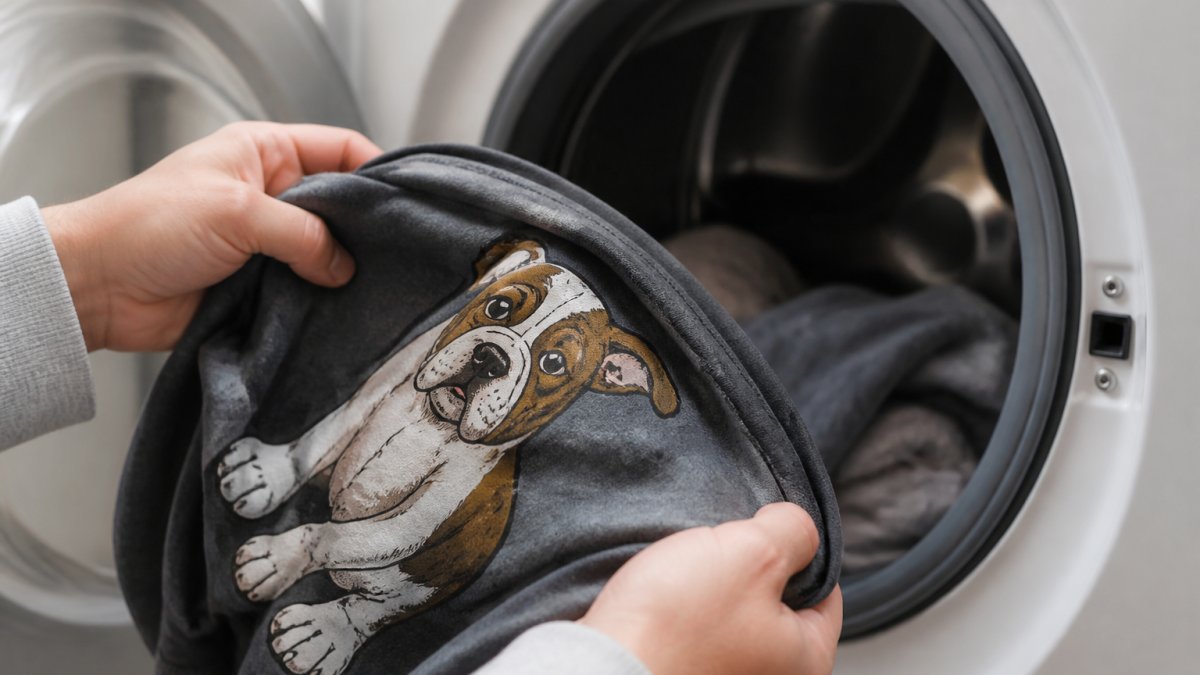
If You're Printing the Shirts
1. Match the cure schedule to the ink chemistry, not the label on the press.
- Plastisol: The ink must reach roughly 320-350°F at the ink film itself, not the platen surface. Dwell is short, often 30-60 seconds in a conveyor dryer or 20-40 seconds under a heat press, because plastisol fuses rather than evaporates. Under-fusing leaves a gummy layer beneath a skin, the classic crack pattern.
- Water-based and discharge: These rely on water evaporating and the binder cross-linking. Cure temperatures are lower (often 300-330°F at the film) but dwell is longer, frequently 60-180 seconds, because water must leave before the binder sets. Rushing water-based ink produces a print that looks fine, then crazes along the fabric weave.
- Low-cure and specialty plastisols: Follow the manufacturer's technical data sheet. Low-cure formulations fuse at lower temperatures to protect heat-sensitive blends; standard plastisol temperatures can scorch the garment.
2. Measure the ink film temperature, not the press display.
Press and dryer displays drift.
3. Control ink deposit.
A cured ink film in the 2-4 mil range flexes with the fabric.
4. Flash correctly.
Flash until the ink is tacky-dry, not bone-dry.
5. Cool before stacking.
Let prints cool completely and separately. Stacking warm shirts traps heat and can cause the ink to block or the print to mar.
If You're Caring for a Shirt You Bought
You cannot change how the shirt was cured, but you can slow cracking dramatically.
- Turn it inside-out before every wash. The single highest-impact habit, it keeps the print off other fabrics and off the drum.
- Wash cold or warm, never hot. Hot water accelerates breakdown of the ink-to-fabric bond and speeds fading.
- Skip fabric softener and dryer sheets. They coat the print surface and can promote peeling.
Diagnostic Flow: Which Cause Do You Actually Have?
Use the symptom to narrow the cause before you change anything.
- Cracks appear after the first wash, following the fabric weave. Almost always under-cure or a water-based ink that dried but never fully fused. Re-check ink film temperature and dwell.
- Cracks appear as a fine web across a thick print. Excessive ink deposit. Reduce deposit and split the print into thinner passes.
- Print peels at the edges before it cracks. Adhesion problem, usually a fabric/ink mismatch (e.g., plastisol over silicone-finished or heavily dyed polyester) or an under-cured low-bleed underlay.
- Cracks appear only where the shirt stretches (shoulders, chest). Ink flexibility doesn't match the fabric's stretch. A high-elongation or stretch-additive ink is usually the fix.
- Print looks fine for months, then crazes after many washes. Normal wear plus laundry heat, a care issue, not a production defect.
Cure Tests You Can Run at Home
- Stretch test (warm): While the print is still warm, stretch the fabric gently in several directions. The ink should stretch with it. If it cracks or flakes, it isn't fully cured.
- Stretch test (cool): Repeat after cooling. A print that passes warm but fails cool is usually borderline under-cured.
- Wash test: Wash inside-out in warm water with mild detergent, then dry on medium. One intact cycle is a reasonable signal, not proof, some under-cured prints survive one wash and fail on the third.
Step 1: Verify Proper Cure Temperature and Dwell Time
Check your heat press temperature with a reliable thermometer, not the machine display. Place it under the platen where the shirt actually sits.
For plastisol, aim for 320-350°F at the ink film with a dwell of 30-60 seconds in a conveyor dryer or 20-40 seconds under a heat press.
After curing, let the print cool completely before moving the shirt. Don't fold or stack it warm, the ink needs time to set fully.
Step 2: Test the Print Before Wearing
A simple cure test tells you if the print is really done. Stretch the fabric gently in all directions while the print is still warm. The ink should move with the fabric, not crack or peel.
Do a wash test too: warm water, mild detergent, medium heat dry. One intact cycle is a good sign, but under-cured prints can survive a wash or two before failing.
Step 3: Wash and Dry Correctly
Turn the shirt inside-out before washing. This protects the print from friction and rubbing against other clothes.
Use cold or warm water, never hot. Hot water breaks down the ink bond faster. Wash with similar colors to avoid dye transfer.
Dry on low heat or air dry. High dryer heat stresses the print and causes premature cracking.
How to Fix Cracked Screen Print on a Shirt
Most guides stop at "you can't really fix it." That's half true. You cannot restore a cracked screen print, the ink film has physically fractured, and no topical treatment re-fuses it. But you can sometimes stabilize a crack, hide it, or extend the shirt's wearable life.
First, Decide If the Print Is Worth Repairing
Run through these questions before you buy supplies.
- Is the crack isolated or widespread? A single crack along a fold line is a good candidate. A web of cracks across the whole print means the ink is failing everywhere, and any repair will be cosmetic and short-lived.
- Is the ink still adhered? Press a fingernail under an edge of the print. If the ink lifts cleanly, adhesion has failed and the print is on its way off. Repair won't fix that.
- Is the crack in a high-stretch area? Cracks at the shoulders, chest, or side seams take constant stress and fail faster than repairs in low-movement areas.
Repair Options, Ranked by Realism
1. Iron-on patch or fabric applique (most durable DIY option).
Cut flexible fabric or heat-activated patch material slightly larger than the cracked area.
2. Clear fabric glue or flexible fabric adhesive (small cracks only).
3. Fabric paint touch-up (visual only).
A matching fabric paint or marker can disguise a small crack from a distance.
4. Re-print over the damaged area (shop option).
5. Replacement (the honest answer for most cases).
If the crack is widespread, the ink is lifting, or the shirt is a standard product, replacement is the realistic fix.
What Not to Bother With
- Heat guns or irons on the crack itself. You can't re-fuse a fractured plastisol film at home, and you risk scorching the shirt.
- Rigid adhesives. Superglue and similar products dry hard and crack immediately under fabric movement.
- Stretching the shirt to "close" the crack. The ink is already brittle; stretching accelerates failure.
Preventing the Next Crack
Whatever repair you choose, the shirt is now more fragile. Wash it inside-out in cold water, skip the dryer or use low heat, and avoid ironing over the print. If the repair holds through a few washes, it was worth doing; if it fails on the first wash, the print was too far gone and replacement is the better path.
How Long Do Screen Printed Shirts Last
A properly cured screen printed shirt lasts for years with correct care. Most prints stay vibrant for 50-100 washes; some last much longer.
Lifespan depends on care: frequent hot-water washing, high-heat drying, and rough handling shorten print life, while gentle care extends it significantly.
Quality matters too.
With proper care, a shirt print should stay looking great for years.
Care Instructions to Extend Print Life
How you care for your screen printed shirt directly affects how long the print lasts. A few simple habits make a huge difference.
Washing Best Practices
Wash inside-out every time, the single best habit. It keeps the print away from friction with other fabrics and detergent.
Use cold water for the first few washes to help the final cure and prevent premature fading.
Choose mild detergent; harsh chemicals break down the ink bond.
Wash with like colors. Dark prints on light shirts can bleed dye, so separate printed shirts from lint-shedding items.
Drying and Heat Exposure
Air drying is best. Hang the shirt in shade or indoors; direct sunlight fades prints over time.
If you use a dryer, set it to low heat and remove the shirt while still damp.
Never iron directly over the print. If you must, place a thin cloth between the iron and the print, use low heat, and avoid pressing hard.
Ironing and Storage
Store printed shirts flat or folded loosely, tight folding for long periods can crack prints at the creases.
Keep them away from direct heat sources like radiators or sunny windows; heat and light both fade ink over time. UV light breaks down ink pigments, so a cool, dry closet is ideal.
Frequently Asked Questions
What causes screen prints to crack after washing?
Screen prints crack after washing when the ink isn't fully cured, applied too thickly, or exposed to high heat during drying. Incomplete ink curing is the leading cause, if the print hasn't reached its final cure temperature and dwell time, the ink remains brittle and inflexible. Washing in hot water or machine drying on high heat can also cause the ink to shrink faster than the fabric, creating stress cracks. Always verify cure temperature before wearing and use cold water with gentle cycles.
How long do screen printed shirts last with proper care?
Well-made screen printed shirts can last 50-100+ washes with proper care. Durability depends on ink type, cure quality, fabric composition, and how you wash them. Water-based inks typically last 30-50 washes, while plastisol inks can exceed 100 washes if fully cured. Washing inside-out in cold water, avoiding high dryer heat, and skipping the iron all extend print life significantly. Quality matters too, premium fabrics and proper application thickness make a real difference.
Can you repair a cracked screen print on a shirt?
Minor cracks can be stabilized with fabric glue or flexible fabric paint applied to the back of the print, but this won't fully restore the print's appearance. For visible cracks, patching with an iron-on transfer or embroidered patch are more practical options. Complete repairs (re-screening the shirt) are rarely cost-effective for consumer garments. Prevention through proper curing and care is far more economical than repair.
How do you know if a screen-printed shirt is low quality?
Low-quality prints show stiff, thick ink that feels plastic-like, uneven color coverage, or ink bleeding into the fabric weave. Run the squeeze test: flex the print area, quality prints stay flexible and move with the fabric, while poor prints crack immediately. Check for over-flashing (glossy, overly thick finish) or under-curing (ink that feels tacky). Read customer reviews mentioning durability and ask the maker about their cure process before buying.
Screen prints crack because of incomplete curing, thick ink application, or fabric incompatibility. Prevention is straightforward: verify your cure temperature, test before wearing, and wash inside-out in cold water. Snarky Tails shirts are built with quality fabrics and proper printing techniques to resist cracking, but how you care for them matters just as much. Turn your shirts inside-out, skip the dryer heat, and your prints will stay vibrant through years of wear.